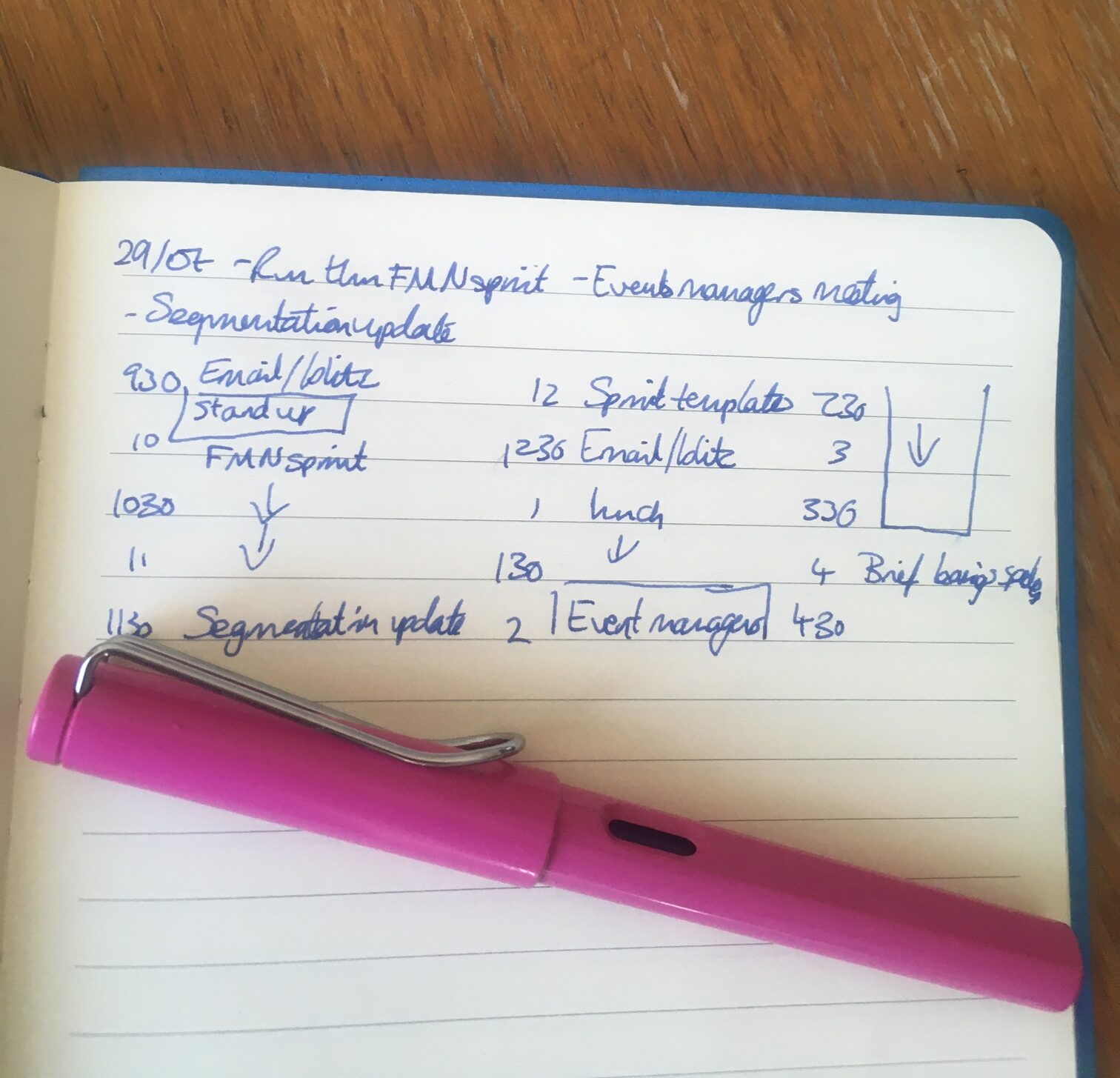
I first learnt the power of mulling at university. Something magic would happen if I made a start on assignments and then left them alone for a couple of days. There was no obvious connection between my life and the maths problems I was wrestling with, but somehow the solutions would just seem to emerge when I stopped thinking about them and went about my day.
If you’re like me, you might find that your best ideas crop up in the shower, or while walking the dog, or while doing something completely unrelated to your actual work. Even if you don’t get a sudden brainwave, leaving a gap between starting work and finishing it means you see it in a whole new light.
It’s not just that you’ve got enough distance think critically about it. Often you’ll find that your subconscious has been working away in the background, giving you new insights and new perspectives.
Harnessing this effect is a way to write more compellingly, to have better ideas, to think more clearly. And it’s often a way to work more efficiently too.
I use mulling in writing these blog posts. Spending five minutes outlining a post a week or so before I actually want to write it means the writing just flows when I come to draft it. It saves me much more than those initial five minutes! It’s also more enjoyable, because I spend less time feeling stuck and wondering what to say next.
Give your subconscious enough to get started
To maximise the benefits of mulling, start by feeding your mind with interesting problems. You want to get enough into the question that you start thinking about it properly, without actually sitting down and hammering out an answer. Remembering that you have that massive project on your to do list is probably not going to be enough for this. But spending ten minutes breaking it down into smaller steps might just be.
You need to properly engage with your material before stepping away. This means being willing to start rough first drafts of things early. Just get some thoughts on paper and see what happens.
One way I take this further is to spend time on questions that aren’t formal pieces of work. I have a running list of ten questions I’d like answers to. At the moment it includes things like:
- How can I get more buy-in for my biggest project from so-and-so?
- How can I make my team more approachable for ad hoc bits of innovation advice?
- How can I engage better when listening to webinars?
None of these are things that I would expect to share formally with anyone. I don’t expect any of these to turn into a report or presentation or anything like that. But I will do better work if I figure them out! And so, when I have a spare ten minutes between meetings, I will throw some thoughts into a notes file. When I return to them a week later, I almost always find I’ve got a lot clearer in the interim.
Give your subconscious space to work
Once you’ve got into your interesting problems, you need to give your mind enough time to work on them in the background. Of course, to do this you need to structure what you are doing so you aren’t working on things last minute.
If a task is important, make sure you start it well before it’s due. Even just sleeping on something before you edit it can dramatically improve the quality. You might find you need to give yourself intermediate deadlines to allow enough time for this. This doesn’t take more time overall, but does require you to think a bit differently about how you use your time. Plan it out, working backwards from when you need the final product.
You’ll find answers most commonly emerge when you have some unfocused time. Actively build that into your process by going for a walk or doing something with your hands. You want to be just occupied enough for your mind to wander. I like doing cross stitch for this – the slow rhythm of adding stitches allows space for new thoughts to emerge.

How does mulling relate to agile?
Mulling isn’t strictly an agile skill, but you’ll find that many agile practices can support mulling. The focus in agile on capturing work visually and sharing it transparently gives your subconscious enough information to begin mulling it over. We detail out the tasks we’re doing in stand-ups, or name the problems we’re facing in retros partly because just naming them starts the thinking process.
Have you found mulling helps your work? What practices support you in your best thinking?
This is the second in a series on good thinking. Last week, we looked at three tools for clarity and focus. Subscribe to my newsletter to receive a monthly round-up of posts and more agile tips.